REF Choose a variant
Thumb Forceps, Surgical InstrumentsGerald Forceps
$23.00
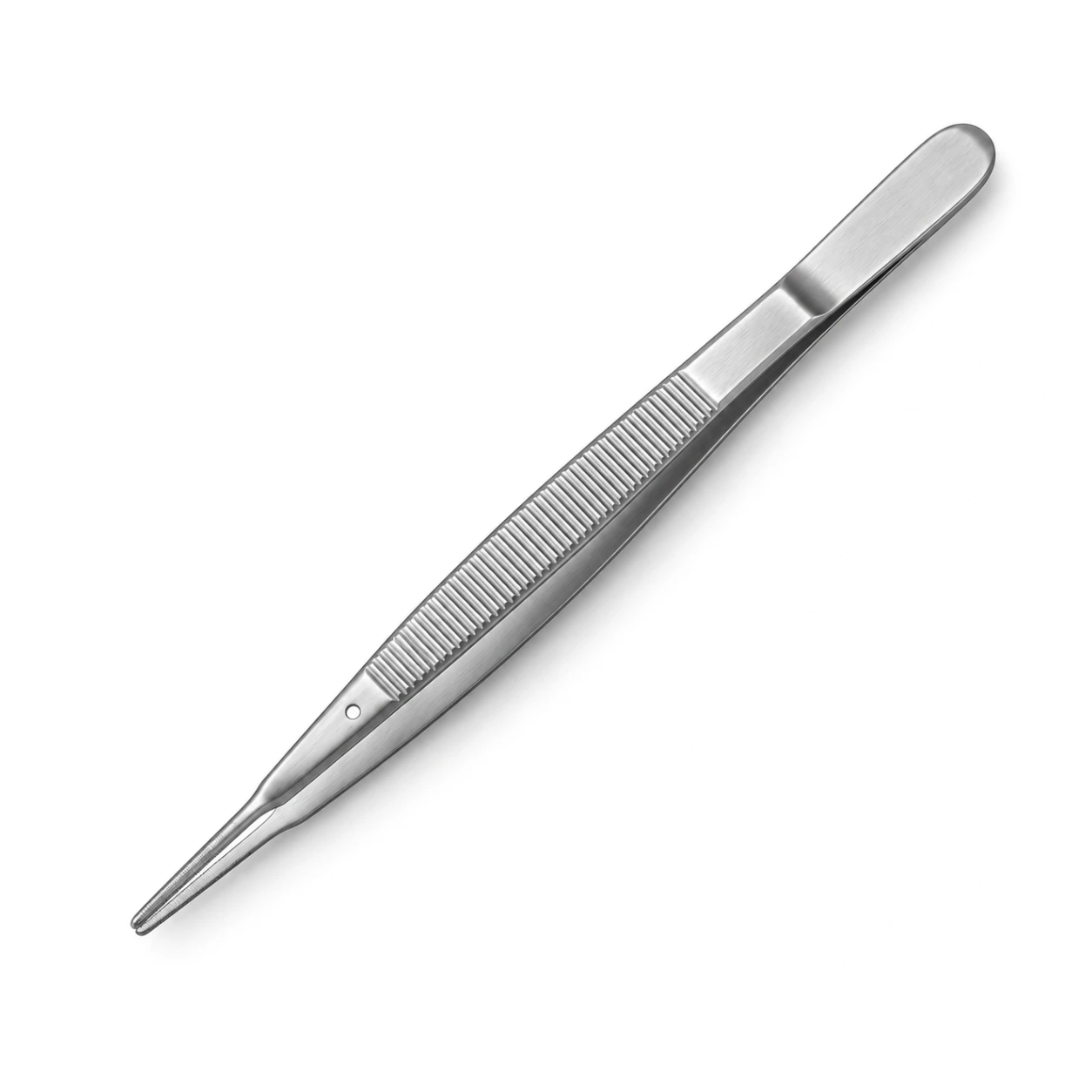
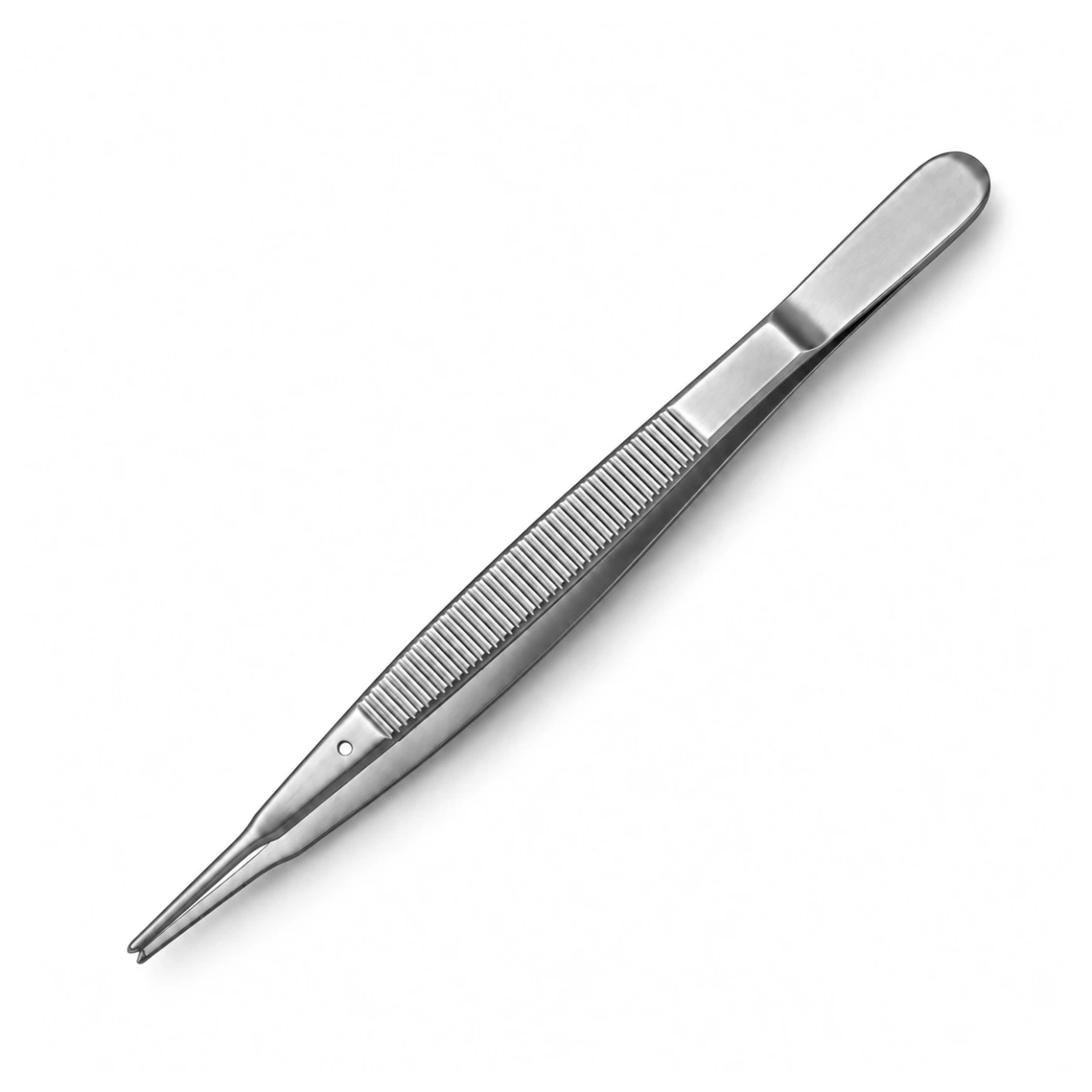
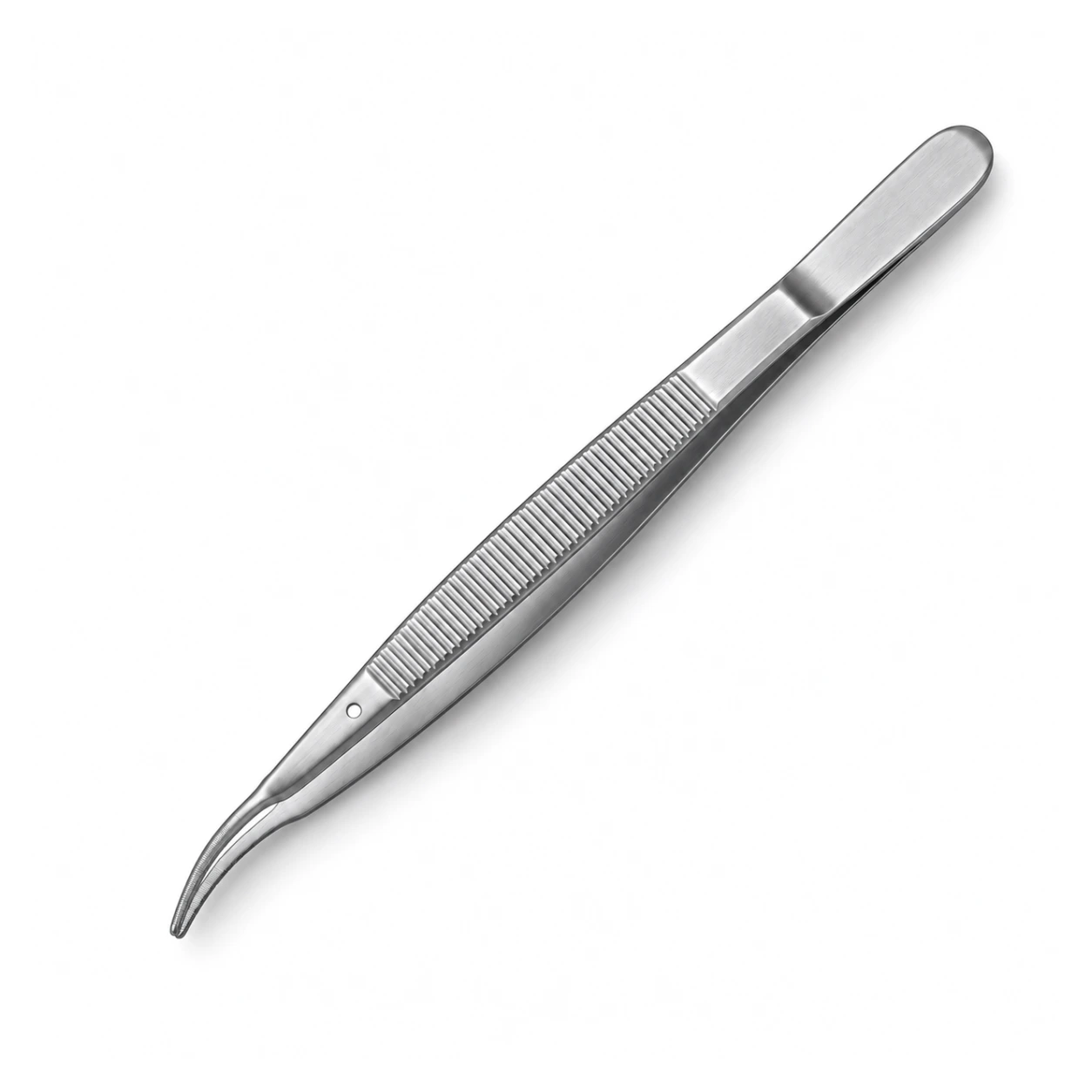
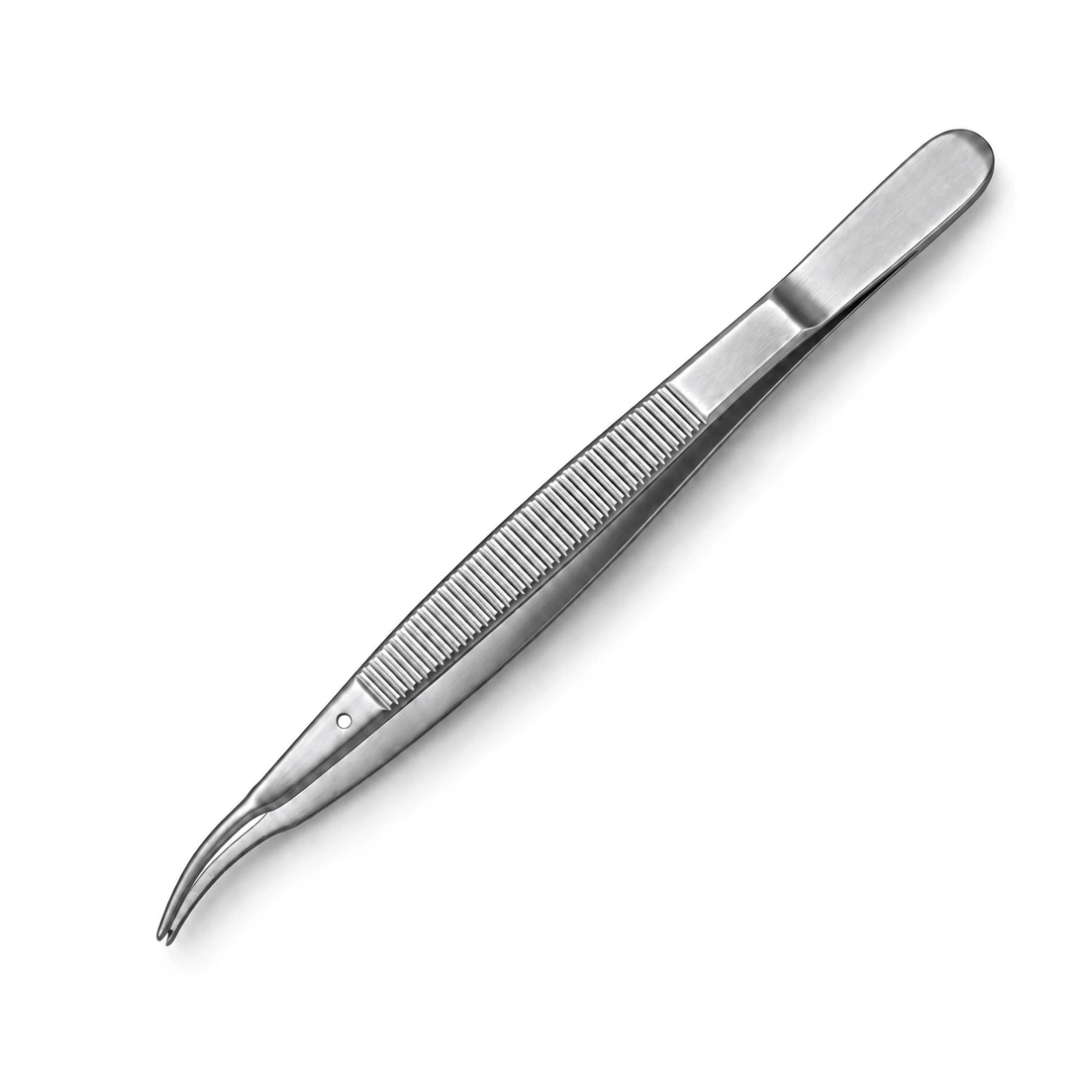
- Extra-fine, slim jaws for micro dissection
- Serrated jaws or 1×2 teeth
- Straight or curved
- Stainless steel; reusable; supplied non-sterile
Questions about this instrument? Ask us on WhatsApp
Bulk orders
Buying in quantity?
Clinics, hospitals, training centres and distributors get volume pricing. Send us your list: we reply within 1 business day and send your quote within 2–3 business days.
Request a bulk quoteDelivery
Free on orders over $99; below that, a charge that depends on your country and the parcel’s weight. Dispatched in 4–7 business days; most orders arrive in 12–20. Import duties, if any, are paid on delivery. Delivery details
Returns
Return an unused instrument within 7 days of delivery. Damaged, faulty or wrong items are put right at our cost. Returns and refunds
Care
Supplied non-sterile: clean and sterilise it before first use. Care and use
Free delivery on orders over $99
Description
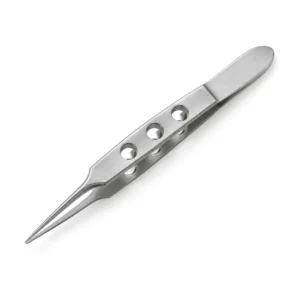
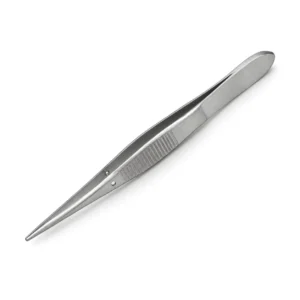
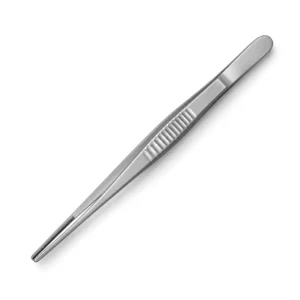
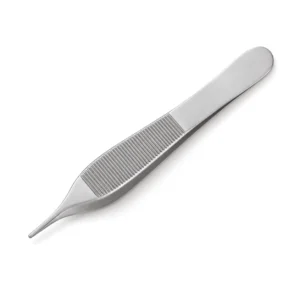
The Gerald forceps has extra-fine, slim jaws for micro dissection and delicate tissue handling. A slim jaw works between structures instead of pushing them apart.
Choose straight or curved, with serrated jaws for holding by friction or 1×2 teeth for a firm hold on tissue. For a shorter forceps with a broad grip, see the Adson dressing forceps.
After use, clean the jaws with a soft brush so nothing stays in the teeth or serrations. Protect the fine tips during cleaning and storage. Supplied non-sterile: clean and sterilise before use.
Specifications
| Jaw | Jaw surface | REF |
|---|---|---|
| Straight | Serrated | IF-10447 |
| Straight | 1×2 teeth | IF-10448 |
| Curved | Serrated | IF-10449 |
| Curved | 1×2 teeth | IF-10450 |
| Working end | Extra-fine jaws |
|---|---|
| Material | Stainless steel |
| Use | Reusable |
| Supplied | Non-sterile |
Care and use
Before first use
It is supplied non-sterile. Clean and sterilise it before first use, then check that the tips meet evenly when you close it.
Cleaning
Clean it as soon as possible after use so nothing dries on. Use a neutral (pH 7) instrument detergent and a soft brush on the tips and serrations. Rinse well, ideally in distilled water, and dry completely.
What to avoid
Saline, bleach and other chloride solutions cause pitting and corrosion in stainless steel. Don't soak or rinse the instrument in them, and keep it apart from instruments made of other metals during cleaning.
Related instruments
 Thumb Forceps
Bishop-Harmon Forceps
Price range: $41.00 through $45.00 Select options This product has multiple variants. The options may be chosen on the product page- Thumb Forceps
Iris Forceps
$29.00 Select options This product has multiple variants. The options may be chosen on the product page - Thumb Forceps
Adson Dressing Forceps, pack of 2
Price range: $29.00 through $33.00 Select options This product has multiple variants. The options may be chosen on the product page